📚
Knowledge Base & Articles
Plush Toy Manufacturing Insights & Blog
Stay updated with technical guides, soft toy production processes, OEM trends, and safety standards from KID IN U.
Blog
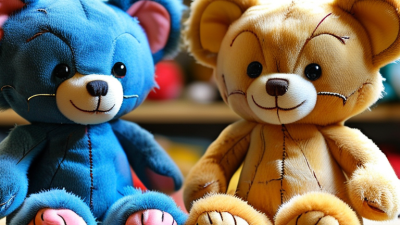
2026 Top Custom Plush Toy Manufacturers for Global Buyers
Global buyers entering 2026 face a plush toy market shaped by personalization, tighter safety expectations, and faster product cycles. Grand View Research identifies the global stuffed and plush toys market as a growing category, supported by character merchandise, gifting, and direct-to-consumer retail. Fortune Business Insights also projects continued expansion through the decade, although market estimates differ by scope and methodology. That gap matters.
A reliable Custom plush toy manufacturer should offer more than attractive sample photos. Buyers need clear fabric specifications, filling details, color references, production tolerances, and traceable quality records. A soft toy may look simple, but its stitching, embroidered features, seams, and packaging require careful control. Small defects become visible on a child’s bedroom shelf.
Safety remains central. Reports and guidance from ASTM International, the U.S. Consumer Product Safety Commission, and the European Committee for Standardization highlight testing for accessible components, flammability, chemicals, and mechanical hazards. Requirements vary by destination. Professional suppliers should explain the applicable standards instead of promising universal compliance.
Experience also appears in the sample process. Can the factory correct an uneven ear? Can it match a difficult Pantone shade? Can it maintain the same expression across thousands of units? These practical questions reveal more than a polished catalog.
Forecasts are useful, not perfect. They cannot measure every seasonal trend or failed product launch. Buyers should compare factory audits, prototype quality, minimum order quantities, lead times, and corrective-action records. A responsible sourcing decision balances price with durability, documentation, communication, and consumer trust. That balance will define the strongest global plush toy partnerships in 2026.
Read more »
 By:Charlotte
- September 15, 2026
By:Charlotte
- September 15, 2026
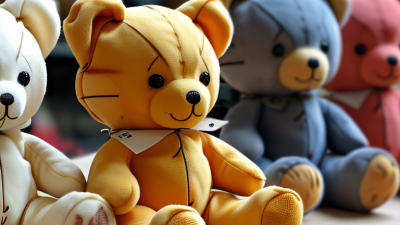
7 Tips for Choosing an OEM Soft Toy Manufacturer?
The global plush toy market is expanding, but growth does not make supplier selection easier. Fortune Business Insights estimates that the global stuffed and plush toys market reached approximately USD 7.15 billion in 2023. Its report projects continued growth through 2032. Behind these figures are real production decisions: fabric softness, embroidered eyes, filling density, stitching strength, packaging, and delivery reliability.
Choosing a partner for OEM soft toy manufacturing requires more than comparing unit prices. A capable manufacturer should explain material specifications, sample revisions, production capacity, quality controls, and corrective actions. Ask for evidence, not promises. Factory audits, product traceability, and documented inspections can reveal weaknesses before mass production begins. Compliance also matters. Depending on the destination market, buyers may need testing against standards such as ASTM F963, EN 71, or ISO 8124. The U.S. Consumer Product Safety Commission identifies ASTM F963 as a mandatory toy safety standard for applicable products in the United States.
A polished sample can still hide inconsistent seams or poorly controlled filling. That is an uncomfortable truth. No supplier is perfect, and even experienced buyers can overlook small warning signs. The Toy Association and Circana reported that U.S. toy industry sales declined in 2023, increasing pressure on brands to manage costs without weakening quality. The following seven tips will help buyers assess manufacturers more carefully, balance creativity with production discipline, and build a safer, more dependable supply relationship. Supplier selection is not merely a purchasing task. It is a risk decision.
Read more »
By:Charlotte
- September 15, 2026
What Is a Private Label Plush Toy?
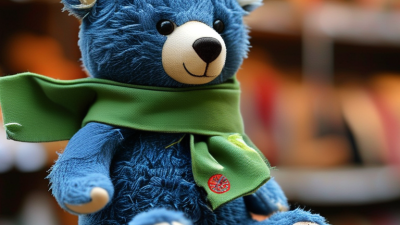
Private label plush toys are soft products created for one retailer, brand, or organization and manufactured under its own name. Unlike ordinary wholesale toys, they carry a distinctive identity, from the embroidered logo to the character’s facial expression. A bear may have longer ears, a softer gray fabric, or a small green scarf matching a company’s brand colors.
Richard Gottlieb, a veteran toy-industry analyst and CEO of Global Toy Experts, describes the category’s deeper value: “A toy is not just a product; it is a promise of play.” That idea explains why private label plush toys require more than attractive artwork. The buyer must define the target age, intended use, dimensions, filling, fabric texture, packaging, and production quantity. Every detail affects cost and customer trust.
An experienced developer usually begins with sketches, then builds a physical prototype. The prototype may feel too firm, look unbalanced, or lose its personality after stitching. That is normal. Improvement often comes from noticing small failures. A crooked eye matters.
Manufacturers should also review applicable product-safety requirements, material documentation, age grading, labeling, and quality-control procedures for each selling market. These steps help reduce avoidable risks and support dependable purchasing decisions. However, compliance alone does not make a plush toy memorable. A technically acceptable product can still feel ordinary.
The strongest private label plush toys combine recognizable branding with emotional warmth. They invite touch, encourage attachment, and remain clear in photographs and store displays. For that reason, private labeling is not merely adding a logo. It is the careful translation of a brand’s personality into a soft, physical companion.
Read more »
 By:Evelyn
- September 15, 2026
By:Evelyn
- September 15, 2026